The Science of Portion Sizes
An exploration of how portion sizes relate to nutritional intake and energy balance
February 2026
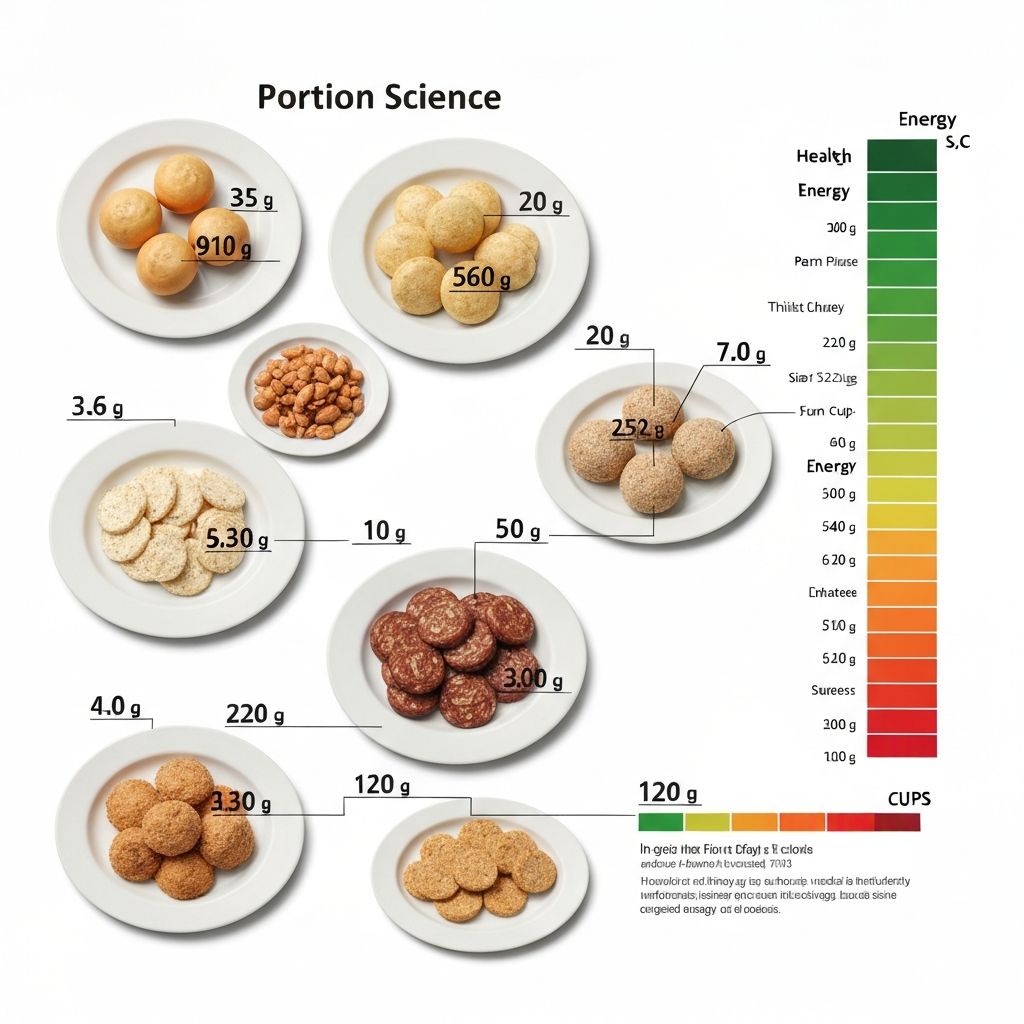
Understanding Portion Science
Portion sizes represent the amount of food consumed in a single eating occasion. Scientific research explores how portion sizes influence nutritional intake, satiety signals, and overall energy consumption. This article examines these concepts from an informational perspective.
Energy Density and Portions
Different foods contain varying amounts of energy per unit of mass. Foods with high water content, such as vegetables and fruits, typically have lower energy density, while foods high in fat and refined carbohydrates tend to have higher energy density. Understanding this relationship helps explain how portion sizes of different foods affect overall energy intake.
Satiety and Portion Awareness
Satiety is the sensation of fullness that arises during and after eating. Research indicates that portion size influences the time required to feel satisfied and the total amount of food consumed during a meal. However, individual responses to portion sizes vary considerably based on numerous factors including body composition, metabolic rate, physical activity level, and individual differences in appetite regulation.
Portion Guidelines Across Cultures
Different cultures and dietary traditions employ varying approaches to portion sizing. What constitutes a standard portion varies across countries and populations. These guidelines reflect diverse perspectives on how to organize food consumption rather than representing universal truth.
Individual Variation
Response to portion sizes is highly individual. Factors such as age, sex, body composition, physical activity level, metabolism, and overall health status all influence how individuals relate to portion sizes. The same portion size may have different effects on different people.
Important Context
Educational content only. No medical services. No promises of outcomes. This information is presented for educational purposes and should not be considered medical advice or a substitute for professional consultation.